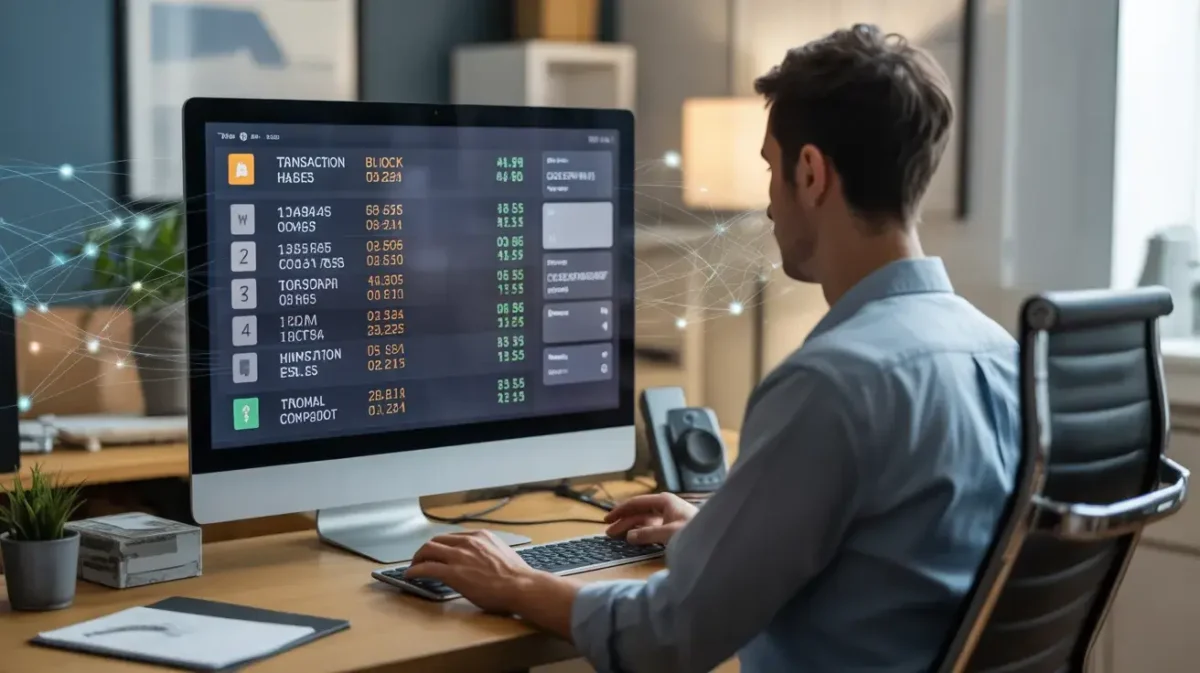
If you’ve ever sent or received cryptocurrency, you’ve probably wondered how to verify that your transaction actually went through. As someone who has been exploring the crypto world for several years, I’ve learned that the answer lies in blockchain explorers. They are essential tools for anyone looking to understand and interact with blockchain networks securely and transparently.
In this guide, I’ll break down what is a blockchain explorer, how it works, its key components, practical use cases, and even share a real-life example of how it can save you from potential losses.
Content
Understanding Blockchain Explorers: What Is a Blockchain Explorer
At its simplest, What Is a Blockchain Explorer? It is an online tool that allows you to view all transactions, blocks, and wallet addresses on a blockchain. Think of it as a search engine for blockchain data. It doesn’t control your assets but gives you the ability to verify transactions independently. For example, if you send Bitcoin to a friend, you can enter the transaction ID and see:
The amount sent
The sender and recipient addresses (publicly visible on the ledger)
Transaction confirmation status
The block in which the transaction was recorded
This transparency is part of what makes blockchain technology trustworthy, especially in decentralized systems.
Key Components of What Is a Blockchain Explorer
Understanding the main features of a blockchain explorer will help you navigate it effectively. Most explorers share similar components:
1. Transaction History
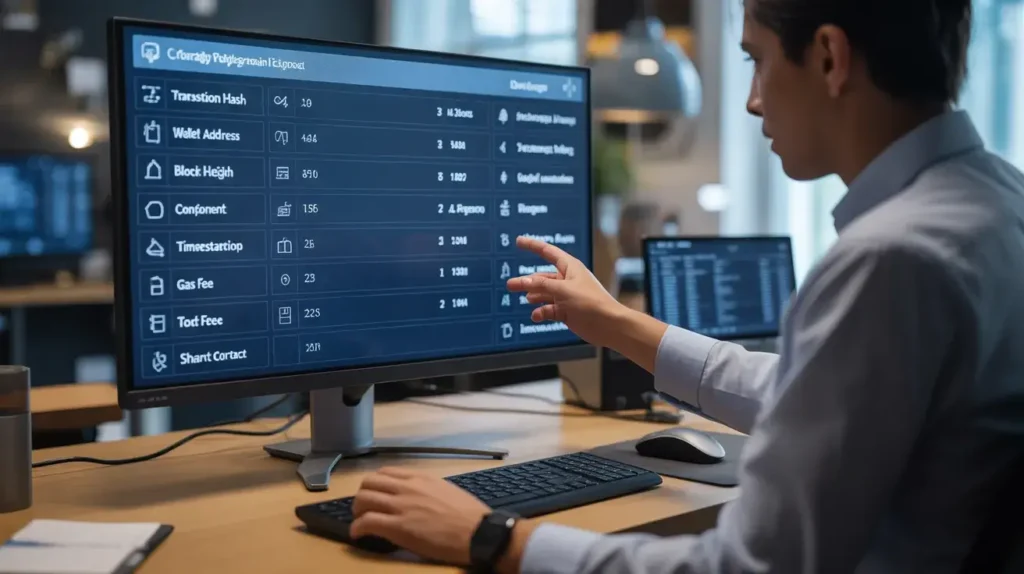
Every transaction ever made on the blockchain is recorded. With a blockchain explorer, you can view blockchain transactions by entering a wallet address, transaction ID, or block number.
2. Wallet Balances
You can check the balance of any public wallet address. This is useful for verifying that transfers have been completed correctly.
3. Block Information
Each block contains multiple transactions. A blockchain explorer lets you see:
Block number
Timestamp
Number of transactions
Miner information
4. Search and Navigation
Most explorers allow you to search by transaction hash, wallet address, or block number, making it easy to track specific actions on the blockchain.
5. Additional Transaction Details
Advanced explorers provide extra insights, such as transaction fees, confirmation counts, and smart contract interactions.
How to Use a Blockchain Explorer
Using a blockchain explorer is simpler than most people think. Here’s a practical step-by-step approach:
Enter a Wallet Address or Transaction ID Paste the address or transaction hash into the search bar.
Check Transaction Status Look for confirmations to ensure the transaction is completed.
Review Block Details Understanding which block contains your transaction can provide additional verification.
Track Multiple Transactions Many explorers let you save or monitor multiple addresses for ongoing transparency.
By following these steps, you gain full visibility into your cryptocurrency transactions without relying on intermediaries.
Why Use a Blockchain Explorer?
Blockchain explorers aren’t just for checking if a payment went through. They serve multiple purposes:
Transparency and Trust
You can independently verify transactions, which builds trust in a decentralized system.
Auditing and Compliance
Businesses and developers use explorers to audit blockchain-based operations, ensuring compliance with internal and regulatory standards.
Educational Purposes
If you’re new to cryptocurrency, exploring blocks and transactions helps you understand how blockchain works in real time.
Community Engagement
Developers and crypto enthusiasts use blockchain explorers to study network activity, token movements, and smart contract interactions.
Real-Life Case Study: Avoiding a Crypto Scam
I remember a client who was about to invest in a new token. They received a wallet address from the token issuer and planned to send a substantial amount of Ethereum. Before proceeding, I suggested they check the transaction on an Ethereum blockchain explorer.
Using the explorer, we discovered:
The wallet had already received multiple transactions from unknown sources
The “official” token wallet didn’t match the project’s verified address
There were suspicious large withdrawals occurring shortly after deposits
Thanks to this quick check, my client avoided losing over $10,000 to a scam. This real-world example highlights how blockchain explorers can protect your assets and ensure transparency in crypto transactions.
Popular Blockchain Explorers
Some widely used blockchain explorers include:
Blockchain.com Explorer – ideal for Bitcoin transactions
Etherscan – the go-to for Ethereum and ERC-20 tokens
BscScan – focuses on Binance Smart Chain
Blockchair – multi-chain explorer with advanced analytics
Each has slightly different features, but all provide the ability to view blockchain transactions and verify wallet balances.
Tips for Using Blockchain Explorers Effectively
Verify Wallet Addresses Carefully – Always double-check before sending crypto.
Track Transaction Confirmations – Larger transfers may require multiple confirmations for safety.
Explore Smart Contract Data – Advanced explorers like Etherscan allow you to view contract code and interaction history.
Use Explorer Analytics – Some platforms offer charts and network statistics to understand transaction trends.
The Future of Blockchain Explorers
As blockchain adoption grows, explorers will continue evolving:
Enhanced analytics for DeFi projects
Integration with NFT marketplaces for NFT tracking
Multi-chain explorers for seamless cross-blockchain tracking
AI-assisted alerts for suspicious activity
In essence, blockchain explorers are becoming more than just a transaction tracker—they’re central tools for transparency, security, and network intelligence.
Final Thoughts
A blockchain explorer is an indispensable tool for anyone involved in cryptocurrency. Whether you’re sending tokens, auditing transactions, or studying blockchain networks, these explorers provide transparency, security, and peace of mind. When paired with helpful utilities such as an online QR code scanner, users can quickly scan wallet addresses or transaction details and verify them instantly through a blockchain explorer. From my personal experiences and real-life examples, I can confidently say: using a blockchain explorer isn’t optional—it’s essential. By understanding what is a blockchain explorer and how to use it effectively, you can navigate the crypto world safely and smartly.
FAQ’s:
What is the best blockchain explorer?
The best blockchain explorer depends on the network: Etherscan for Ethereum, Blockchain.com for Bitcoin, BscScan for Binance Smart Chain.
How can blockchain be used in intellectual property?
Blockchain in intellectual property records creation, verifies ownership, and automates licensing using smart contracts.
What are the 4 types of blockchain?
The four types are public, private, consortium, and hybrid blockchains, each offering different access and control levels.
What is the primary purpose of a block explorer in chain analysis?
A block explorer allows users to track transactions, verify blocks, and analyze blockchain activity in real time.
Kenneth is an avid blogger on technology, gadgets, and other topics that interest him. He likes to write about his personal experiences with the latest tech products as well as offer advice for people who are looking to buy a new device. When he is not blogging you can find him at home playing video games or watching anime.