

Cybersecurity is no longer just about installing firewalls or antivirus tools. Today, businesses are expected to prove that they are secure, compliant, and capable of protecting customer data under strict regulations. This is where cybersecurity compliance services play a critical role.
In my experience working with organizations transitioning to cloud systems, I’ve seen a common challenge: companies may have strong security tools, but they still fail audits or struggle with regulatory requirements. The missing piece is usually structured compliance management.
This guide breaks down what these services are, how they work, and why they have become essential for modern businesses.

Content
What Are Cybersecurity Compliance Services?
These structured solutions are designed to help businesses meet legal, regulatory, and industry security standards.
If you’ve ever wondered what are cybersecurity compliance services and why are they important, the answer is simple: they ensure your organization follows required security rules while also protecting sensitive data from cyber threats.
These services typically include:
- Risk assessments and audits
- Policy development and enforcement
- Continuous monitoring and reporting
- Support for frameworks like ISO 27001 compliance
- Alignment with GDPR compliance requirements and PCI DSS compliance standards
In simple terms, they act as a bridge between cybersecurity protection and legal compliance.
Why Cybersecurity Compliance Services Are Important
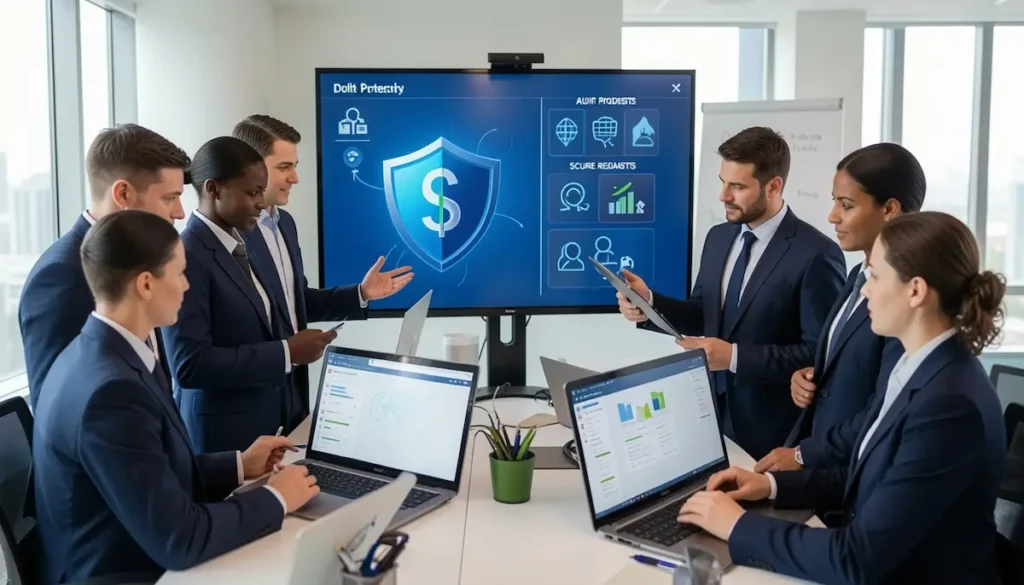
Modern businesses operate in highly regulated environments. One data breach can lead to financial loss, legal penalties, and damage to reputation.
That’s why role of cybersecurity compliance services in risk management is becoming more critical every year.
Key reasons include:
- Reducing legal and regulatory risks
- Improving data protection compliance
- Strengthening internal security controls
- Ensuring audit readiness at all times
- Building customer trust and credibility
From a business perspective, compliance is no longer optional—it is a survival requirement.
Key Regulations Covered by Compliance Services
These services typically help organizations align with global and industry standards.
ISO 27001 Compliance
A globally recognized standard that defines how to build an information security management system.
GDPR Compliance Requirements
Focuses on protecting personal data of users in the European Union.
PCI DSS Compliance Standards
Ensures secure handling of credit card and payment data.
Industry-Specific Regulations
- Healthcare data protection laws
- Financial sector security frameworks
- Cloud security governance standards
These regulations form the backbone of modern cyber risk governance.
How Compliance Services Work
Most providers follow a structured process to ensure full compliance coverage.
1. Risk Assessment
Organizations undergo a detailed cyber risk assessment to identify vulnerabilities.
2. Gap Analysis
Current security practices are compared against required standards.
3. Policy Development
Security rules and security governance framework structures are created.
4. Implementation
Security controls, tools, and procedures are deployed.
5. Monitoring and Auditing
Continuous tracking ensures ongoing compliance through cybersecurity audit services.
6. Reporting
Detailed compliance reports are generated for regulators and internal teams.
This structured lifecycle ensures businesses remain compliant and secure at the same time.
Benefits of Compliance Services
Organizations adopting compliance services experience measurable improvements across security and operations.
Key advantages include:
- Reduced regulatory penalties
- Improved security posture
- Faster audit completion
- Better customer trust
- Stronger internal governance
- Reduced cyber risk exposure
These are some of the most important benefits of cybersecurity compliance services for businesses, especially for companies handling sensitive customer data.
Industries That Rely on Compliance Services
Different industries depend heavily on compliance frameworks due to strict regulations.
Financial Services
Banks and fintech companies must follow PCI DSS and fraud prevention rules.
Healthcare
Hospitals and clinics must ensure strict patient data protection compliance.
E-Commerce
Online platforms handle large volumes of customer payment data.
SaaS and Cloud Providers
Require continuous compliance with international security standards.
These industries rely heavily on managed compliance services to reduce operational burden.
Challenges in Cybersecurity Compliance
Even with structured systems, organizations face challenges such as:
- Constantly changing regulations
- High implementation costs
- Complex multi-framework environments
- Lack of in-house compliance expertise
These challenges are why many companies now outsource to compliance specialists instead of managing everything internally.
Real-Life Case Study: A Fintech Company Avoiding Major Regulatory Penalties
A mid-sized fintech company I worked with was rapidly expanding its digital payment platform. However, during a routine audit, they discovered major compliance gaps in their data protection and transaction security systems.
They were at risk of failing PCI DSS compliance standards, which could have resulted in heavy penalties and loss of customer trust.
What They Did:
They adopted full compliance services, which included:
- A complete cybersecurity audit services review
- Implementation of a security governance framework
- Stronger encryption and access controls
- Continuous compliance monitoring systems
- Regular internal audit reporting
Results After Implementation:
- Passed PCI DSS audit successfully
- Reduced compliance gaps by over 80%
- Improved customer trust and retention
- Strengthened overall cyber risk governance
This case shows how structured compliance support can directly protect both revenue and reputation.
Why Companies Need Compliance Services
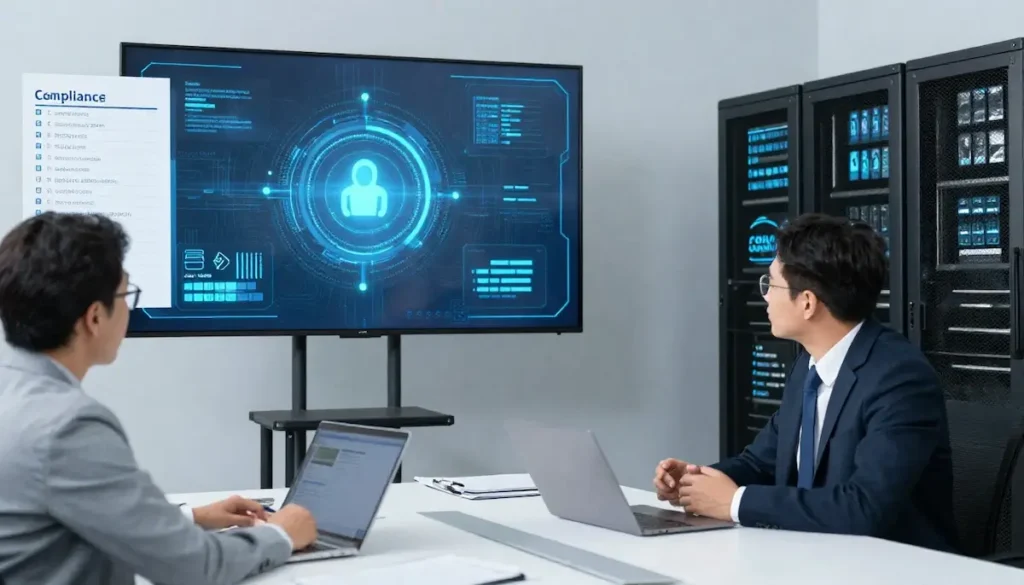
The question is no longer whether businesses need compliance support—it’s how fast they can implement it.
The modern threat landscape and strict global laws make it essential for organizations to adopt professional compliance solutions.
Understanding why companies need cybersecurity compliance services in 2026 comes down to three major factors:
- Increasing cyberattacks targeting sensitive data
- Stricter global regulations
- Higher customer expectations for data security
Without proper compliance, even strong cybersecurity systems can fail audits or face legal consequences.
Future of Compliance Services
The future of compliance is becoming more automated and intelligent.
Key trends include:
- AI-driven compliance monitoring systems
- Real-time regulatory tracking
- Automated audit preparation tools
- Integration with cloud security platforms
- Predictive risk analysis models
These advancements will make managed compliance services faster, more accurate, and more scalable for global organizations.
Final Thoughts
Cybersecurity compliance is no longer just a legal requirement—it is a core business function. Organizations that invest in structured compliance systems and strong cybersecurity protocols are not only protecting themselves from penalties but also strengthening their long-term security posture.
Cybersecurity compliance services help businesses move from reactive compliance efforts to continuous, automated, and intelligent security governance.
In today’s digital economy, compliance is not a burden—it is a competitive advantage.
FAQ’s:
What is the main purpose of compliance services?
Compliance services ensure businesses follow security regulations, reduce legal risks, and maintain strong data protection standards.
Who needs cybersecurity compliance services?
Any business handling sensitive data, especially in finance, healthcare, and e-commerce, needs compliance services to meet regulations.
How do compliance audits work?
Compliance audits review security controls, policies, and systems to ensure they meet standards like ISO 27001 and GDPR requirements.
What is the difference between compliance and security?
Security protects systems from threats, while compliance ensures organizations meet legal and regulatory security requirements.